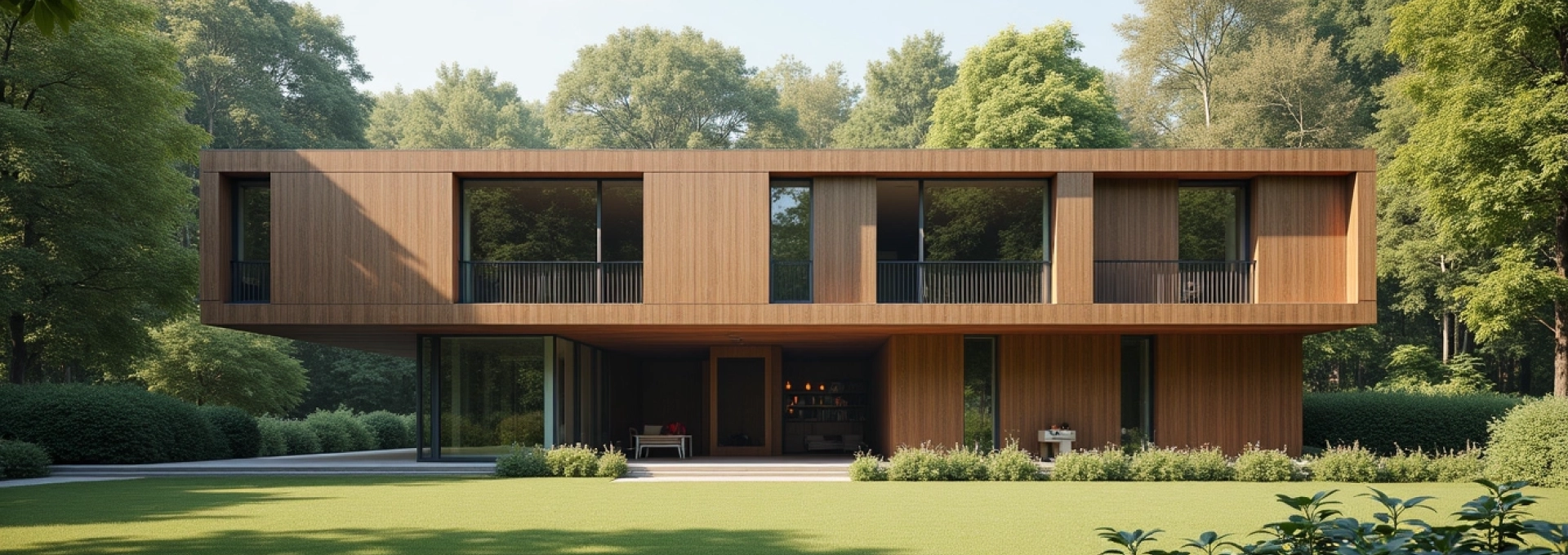
Nestled in the heart of the Hoge Veluwe National Park, the Kröller-Müller Museum stands as a testament to the vision of its founder, Helene Kröller-Müller. This world-renowned institution houses an exceptional collection of 19th and 20th-century art, including the second-largest assemblage of Vincent van Gogh’s works globally. With its unique blend of art, architecture, and nature, the museum offers visitors an unparalleled cultural experience that extends far beyond its walls into one of Europe’s largest sculpture gardens.
History and founding of the Kröller-Müller museum
The story of the Kröller-Müller Museum begins with Helene Kröller-Müller, a passionate art collector with a dream of creating her own ‘museum-home’. Born in 1869, Helene developed a keen interest in art during the early 20th century, guided by her advisor H.P. Bremmer. With the financial support of her husband, Anton Kröller, she embarked on an ambitious collecting spree that would ultimately shape the museum’s core collection.
Between 1907 and 1922, Helene acquired nearly 11,500 artworks, amassing one of the most significant private collections of the 20th century. Her visionary approach focused on emerging modernist trends, with a particular emphasis on Post-Impressionist works. This foresight led to the acquisition of numerous pieces by Vincent van Gogh, well before his widespread recognition in the art world.
The dream of a ‘museum-home’ finally materialised in 1938 when the Rijksmuseum Kröller-Müller opened its doors to the public. Helene herself served as the museum’s first director, overseeing its initial years until her death in 1939. The museum’s location within the vast Hoge Veluwe estate, now a national park, was a deliberate choice, reflecting Helene’s desire to create a harmonious blend of art and nature.
The Kröller-Müller Museum is not just a collection of artworks, but a living testament to one woman’s vision and her profound impact on the art world.
Architectural design of the museum complex
Henry van de velde’s modernist vision
The original museum building, designed by Belgian architect Henry van de Velde, is a prime example of modernist architecture. Completed in 1938, the structure embodies the principles of functionality and simplicity that characterised the modernist movement. Van de Velde’s design features clean lines, ample natural light, and a seamless flow between exhibition spaces, creating an ideal environment for art appreciation.
The architect’s innovative approach is evident in the museum’s central Van Gogh Gallery, a circular space surrounding a small patio. This design allows visitors to experience Van Gogh’s works in an intimate setting, fostering a deep connection between the viewer and the art. The use of neutral colours and minimalist interiors throughout the building ensures that the focus remains firmly on the artworks themselves.
Wim quist’s 1977 extension
As the museum’s collection continued to grow, particularly in the realm of modern sculpture, an expansion became necessary. Dutch architect Wim Quist was commissioned to design a new wing, which was completed in 1977. Quist’s extension seamlessly integrates with Van de Velde’s original structure while introducing contemporary elements that reflect the evolving nature of the museum’s collection.
The new wing provides additional exhibition space for large-scale sculptures and installations, featuring higher ceilings and more expansive rooms. Quist’s design maintains the museum’s commitment to the interplay between art and nature, incorporating large windows that offer views of the surrounding landscape and allow natural light to flood the interior spaces.
Integration with the hoge veluwe national park
One of the most distinctive aspects of the Kröller-Müller Museum is its harmonious integration with the surrounding Hoge Veluwe National Park. The museum complex is designed to complement rather than dominate its natural setting, with low-profile structures that blend into the landscape. This unique location allows visitors to experience art in a tranquil, natural environment, far removed from the typical urban museum setting.
The seamless transition between indoor and outdoor spaces is a key feature of the museum’s design. Visitors can move effortlessly from the climate-controlled galleries to the expansive sculpture garden, creating a dynamic and immersive art experience. This integration of art and nature reflects Helene Kröller-Müller’s original vision of a museum that exists in harmony with its surroundings.
World-renowned art collection
Vincent van gogh gallery: second largest collection globally
The Kröller-Müller Museum is perhaps best known for its exceptional collection of Vincent van Gogh’s works. With nearly 90 paintings and over 180 drawings, it holds the second-largest collection of Van Gogh’s art in the world, surpassed only by the Van Gogh Museum in Amsterdam. This impressive assemblage offers visitors a comprehensive overview of the artist’s career, from his early Dutch period to his final, vibrant works created in France.
Among the highlights of the Van Gogh collection are iconic pieces such as “The Potato Eaters” , “Cafe Terrace at Night” , and several of his renowned self-portraits. The museum’s collection also includes lesser-known works that provide valuable insights into Van Gogh’s artistic development and personal struggles. The dedicated Van Gogh Gallery, with its circular layout, creates an intimate viewing experience that allows visitors to immerse themselves in the artist’s world.
Post-impressionist masterpieces: seurat, signac, and redon
Beyond Van Gogh, the Kröller-Müller Museum boasts an exceptional collection of Post-Impressionist works. Georges Seurat’s pointillist masterpieces, including “Le Chahut” , showcase the artist’s revolutionary technique of optical colour mixing. Paul Signac’s vibrant landscapes and seascapes further exemplify the scientific approach to colour theory that characterised Neo-Impressionism.
The museum also houses a significant collection of works by Odilon Redon, including his dreamlike pastels and symbolic oil paintings. These pieces offer a fascinating counterpoint to the more structured approach of Seurat and Signac, highlighting the diverse artistic expressions that emerged in the wake of Impressionism.
Cubist and futurist works: picasso, braque, and léger
The Kröller-Müller Museum’s collection extends into the early 20th century, featuring important works from the Cubist and Futurist movements. Pablo Picasso’s groundbreaking explorations of form and perspective are represented by several key pieces, including the analytical cubist painting “Violon” (1911-1912). Georges Braque’s collaborative role in developing Cubism is also well-documented through multiple works in the collection.
Fernand Léger’s dynamic Tubist compositions, which bridge the gap between Cubism and Futurism, form another significant aspect of the museum’s early modernist holdings. These works, characterised by their bold colours and mechanistic forms, reflect the rapid technological advancements and societal changes of the early 20th century.
Contemporary art acquisitions: from minimal to conceptual
In keeping with Helene Kröller-Müller’s forward-thinking approach to collecting, the museum continues to acquire contemporary artworks that push the boundaries of artistic expression. The collection includes significant pieces from the Minimal and Conceptual art movements, featuring works by artists such as Donald Judd, Sol LeWitt, and Joseph Kosuth.
These more recent acquisitions often engage in dialogue with the museum’s historical collection, creating thought-provoking juxtapositions that highlight the continuity and evolution of artistic ideas across generations. The museum’s commitment to contemporary art extends beyond its walls into the sculpture garden, where large-scale installations and site-specific works continue to expand the collection’s scope.
Sculpture garden: europe’s largest Open-Air museum
Auguste rodin’s bronzes and marbles
The Kröller-Müller Museum’s sculpture garden, spanning an impressive 25 hectares, is home to a remarkable collection of outdoor artworks. Among the most prestigious pieces are several bronze and marble sculptures by Auguste Rodin, the father of modern sculpture. Rodin’s expressive works, such as “The Thinker” and “The Burghers of Calais” , stand as powerful testaments to human emotion and form against the backdrop of the natural landscape.
The interplay between Rodin’s sculptures and the surrounding environment creates a dynamic viewing experience, as changing light and seasons alter the perception of these timeless works. Visitors can observe how the textures and patinas of the bronzes evolve with exposure to the elements, adding an additional layer of complexity to Rodin’s already nuanced creations.
Henry moore’s monumental sculptures
The sculpture garden features several large-scale works by British sculptor Henry Moore, whose abstract forms draw inspiration from both the human figure and natural landscapes. Moore’s monumental pieces, such as “Reclining Figure” and “Large Two Forms” , harmonise beautifully with the garden’s rolling terrain and wooded areas.
These sculptures invite visitors to explore them from multiple angles, revealing new perspectives and interpretations with each viewpoint. The sheer scale of Moore’s works, combined with their organic forms, creates a powerful dialogue between art and nature that epitomises the sculpture garden’s ethos.
Jean dubuffet’s jardin d’émail
One of the most striking and immersive installations in the sculpture garden is Jean Dubuffet’s “Jardin d’émail” (1974). This large-scale, walk-in sculpture represents a culmination of Dubuffet’s artistic philosophy, blurring the lines between painting, sculpture, and architecture. The work covers an area of 600 square meters and invites visitors to explore its undulating white surfaces adorned with bold black outlines.
The “Jardin d’émail” exemplifies Dubuffet’s Art Brut style, challenging conventional notions of art and beauty. Its playful, almost childlike aesthetic contrasts sharply with the more formal sculptures in the garden, offering visitors a unique and interactive art experience.
Richard serra’s Cor-Ten steel installations
American sculptor Richard Serra’s monumental Cor-Ten steel installations add a contemporary edge to the sculpture garden. Serra’s works, characterised by their massive scale and use of industrial materials, create powerful interventions in the landscape that alter visitors’ perceptions of space and movement.
Pieces such as “Spin Out (For Robert Smithson)” demonstrate Serra’s mastery of form and material, with their weathered steel surfaces changing over time in response to environmental conditions. These sculptures encourage visitors to engage physically with the artwork, walking around and through the installations to fully experience their impact on the surrounding space.
Conservation and research initiatives
The Kröller-Müller Museum is not only dedicated to displaying art but also to preserving and studying its extensive collection. The museum’s conservation department employs cutting-edge techniques to maintain and restore artworks, ensuring their longevity for future generations. This includes specialised care for delicate works on paper, such as Van Gogh’s drawings, and ongoing maintenance of outdoor sculptures exposed to the elements.
Research plays a crucial role in the museum’s activities, with curators and scholars continually delving into the collection to uncover new insights about the artworks and their creators. The museum regularly publishes its findings, contributing valuable knowledge to the global art community. Collaborative projects with other institutions further enhance the museum’s research capabilities, fostering a dynamic exchange of ideas and expertise.
Visitor experience and educational programmes
Interactive audio tours and digital guides
To enhance the visitor experience, the Kröller-Müller Museum offers a range of interactive audio tours and digital guides. These tools provide in-depth information about key artworks and the museum’s history, allowing visitors to explore the collection at their own pace. The digital guides are regularly updated to include information about temporary exhibitions and new acquisitions, ensuring that repeat visitors always have fresh content to discover.
For tech-savvy visitors, the museum’s mobile app offers additional features such as augmented reality experiences that bring artworks to life and provide contextual information about the artists and their techniques. These digital resources complement the physical experience of the museum, creating a more immersive and educational visit.
Workshops and art classes for all ages
The Kröller-Müller Museum is committed to nurturing creativity and art appreciation across all age groups. Regular workshops and art classes are held for both children and adults, covering a wide range of artistic techniques and styles. These hands-on sessions are often inspired by works in the museum’s collection, allowing participants to engage directly with the art they’ve observed.
For younger visitors, the museum offers specially designed programmes that introduce children to art concepts in a fun and accessible way. These may include storytelling sessions centred around specific artworks or interactive tours that encourage children to look closely at paintings and sculptures.
Special exhibitions and themed events
Throughout the year, the Kröller-Müller Museum hosts a variety of special exhibitions and themed events that complement its permanent collection. These temporary shows often focus on specific artists, artistic movements, or thematic explorations that provide new perspectives on the museum’s holdings. Such exhibitions may bring in loans from other institutions, offering visitors the chance to see rarely displayed works alongside familiar pieces from the Kröller-Müller collection.
Themed events, such as evening openings, lectures by art experts, and performance art pieces, add an extra dimension to the museum experience. These events often draw connections between visual art and other cultural forms, such as music, literature, or dance, creating a rich, multidisciplinary programme that appeals to a broad audience.
The Kröller-Müller Museum continues to honour its founder’s vision while evolving to meet the needs of contemporary audiences. Its unique combination of world-class art, stunning natural surroundings, and innovative programming ensures its position as a must-visit destination for art lovers and cultural enthusiasts alike. Whether exploring Van Gogh’s masterpieces, wandering through the sculpture garden, or participating in a hands-on workshop, visitors to the Kröller-Müller Museum are guaranteed an enriching and memorable experience that celebrates the enduring power of art.